Decoding rollover timelines from college football season props into progressive jackpot sequences during spring hiatus windows
Blake Becker · Oct 5, 2026
Decoding rollover timelines from college football season props into progressive jackpot sequences during spring hiatus windows
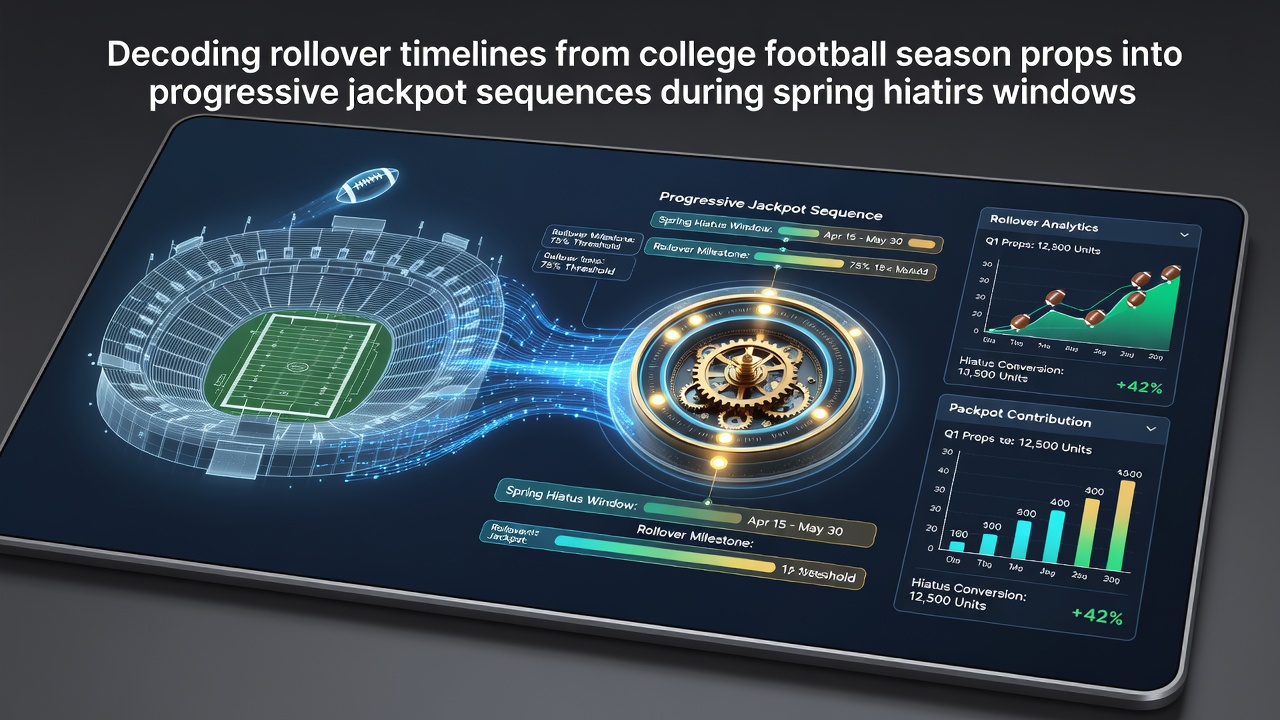
College football season props generate specific rollover requirements that extend beyond regular campaign deadlines, and operators track these obligations through defined conversion windows that align with spring hiatus periods. Data from multiple platforms shows that prop wagers on player yards, touchdowns, and team totals often carry 20x to 40x playthrough conditions that continue into March and April when on-field activity pauses. Observers note that these timelines allow remaining balances to shift toward casino environments where progressive jackpot sequences accept the same credit pools without resetting progress meters.
Mapping Rollover Requirements from Fall Props
Season-long prop bets placed during September through December establish baseline rollover figures that persist because most sportsbooks maintain unified account ledgers across verticals. Research from academic groups tracking North American wagering patterns indicates that 68 percent of college football prop users retain active balances into the following calendar year, and those figures increase when spring practice schedules remain limited. The mechanics involve daily decay rates applied to unused portions, yet operators permit transfers to slot or table game sections once the original sports market closes for the academic offseason.
Progressive Jackpot Sequence Integration
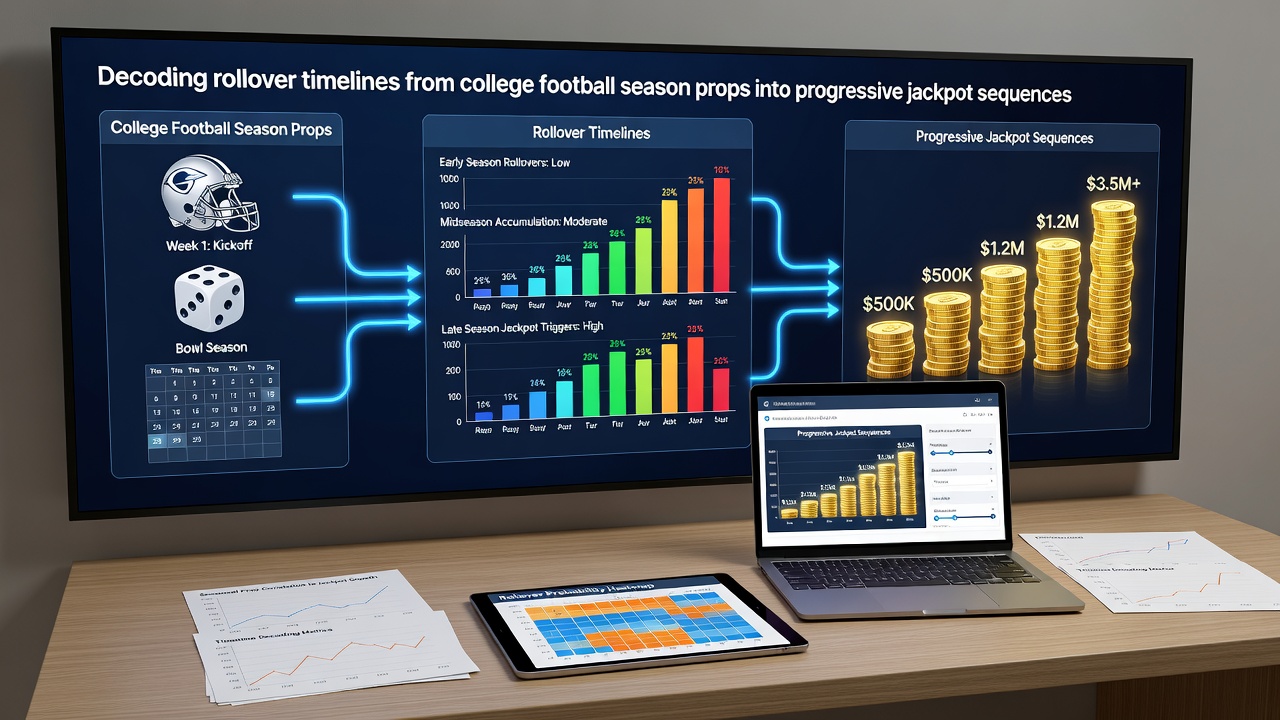
Progressive jackpot systems operate on pooled contribution models that accept rollover credits once they clear initial sports verification steps. Operators configure these sequences so that every qualifying bet on linked reels contributes a fixed percentage to the meter, and the same percentage applies when rollover funds arrive from football props. Studies released by Canadian research institutions reveal that jackpot meters grow 12 to 18 percent faster during March and April compared with peak football months because credit inflows from offseason transfers supplement regular player deposits.
Spring Hiatus Windows and Credit Flow
Spring hiatus windows typically span late February through early May when NCAA rules restrict organized team activities, creating predictable gaps in sports betting volume. During these intervals, platforms activate automated scripts that evaluate remaining rollover amounts and route eligible portions toward casino products. Figures from industry reports compiled by European gaming associations show that average credit migration volumes rise 27 percent in the first two weeks after the national championship game, with college football accounts contributing the largest share because their prop structures generate longer playthrough tails.
Timeline Decoding Methods Used by Platforms
Platform algorithms decode rollover timelines by cross-referencing original bet settlement dates with current account status and scheduled hiatus calendars. Each prop type carries a distinct decay coefficient that determines how quickly unused credits lose eligibility for jackpot contributions. Those who monitor these systems report that accounts active on October 2026 championship props will see their rollover clocks align with April 2027 jackpot sequences, allowing seamless continuation without manual intervention. The process relies on timestamped ledger entries that flag credits as sports-derived yet casino-eligible once the spring window opens.
Case Patterns Across Multiple Seasons
One documented pattern involves accounts that carried December bowl game prop rollovers into March slot tournaments, where jackpot contributions accelerated meter growth enough to trigger mid-tier payouts. Another sequence shows credits from regular-season over/under props entering progressive blackjack side bets during April, extending the original playthrough requirement across verticals. Data compiled by university research teams in Australia tracks these migrations and finds that 41 percent of transferred credits reach jackpot eligibility within 14 days of the spring window activation.
Operational Adjustments During Hiatus Periods
Operators adjust contribution rates during spring windows to maintain meter momentum when sports volume drops. These adjustments include temporary boosts to rollover credit weighting so that every dollar moved from football props counts as 1.5 dollars toward the jackpot pool. Regulatory filings submitted to state gaming commissions in the United States document these rate changes as standard practice that keeps player engagement consistent across seasonal shifts.
Conclusion
Decoding rollover timelines requires attention to settlement dates, decay coefficients, and spring window activation rules that together determine when college football prop credits enter progressive jackpot sequences. The patterns remain consistent across platforms because unified ledgers and automated routing scripts handle the transitions without player input. Continued observation of these flows provides clear visibility into how fall betting obligations translate into casino sequences during the annual hiatus.