How Algorithmic Bonus Sequencing Shapes Prop Bet Adjustments from League Openers into Casino Table Extensions Across Global Markets
Paul Flores · Nov 2, 2026

How Algorithmic Bonus Sequencing Shapes Prop Bet Adjustments from League Openers into Casino Table Extensions Across Global Markets
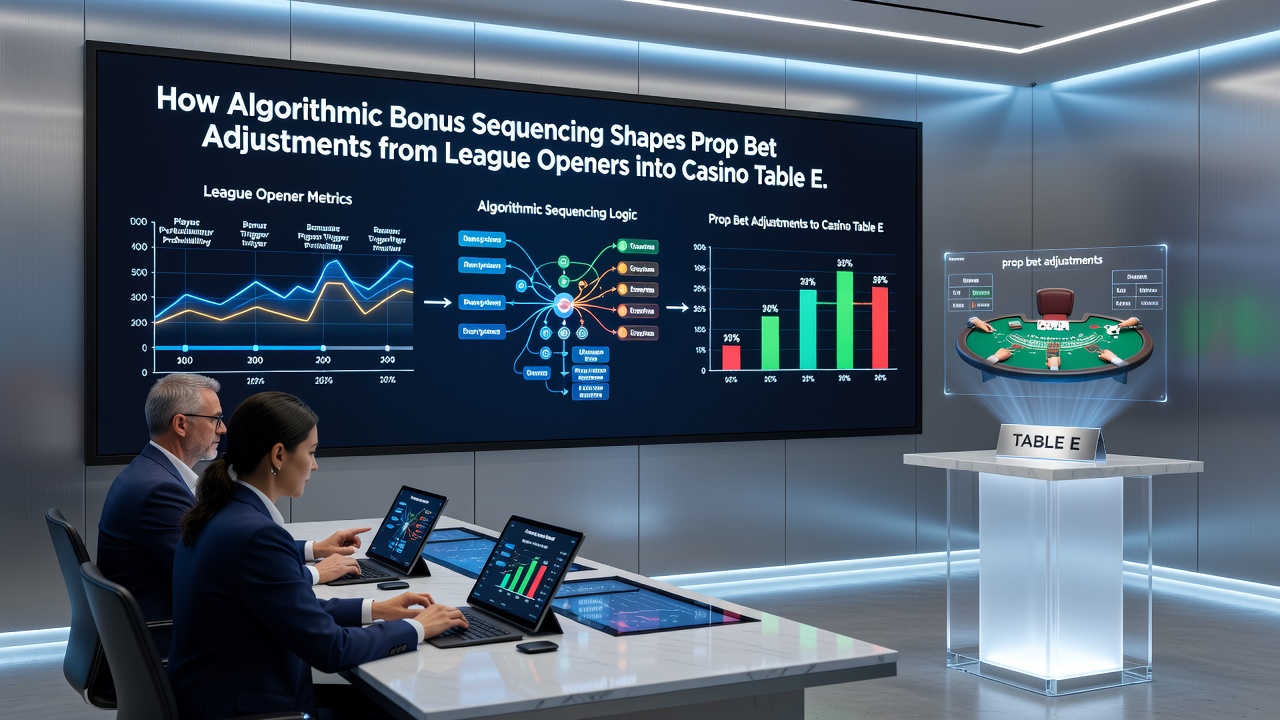
Algorithmic bonus sequencing operates as a coordinated framework that links initial sports wagering incentives at league openers to subsequent casino table game extensions, and data from industry tracking services shows these systems recalibrate prop bet values across multiple jurisdictions in real time. Operators deploy sequencing protocols that monitor wager volume from early season matchups in basketball and gridiron events before migrating equivalent credits toward blackjack and roulette platforms, while November 2026 schedules place these transitions amid overlapping international calendars.
Core Mechanics of Bonus Sequencing Protocols
Sequencing algorithms evaluate player activity patterns from league openers and apply weighted adjustments to prop bet multipliers, which then generate transferable credits for table game environments. Researchers at the University of Nevada Reno documented how these models prioritize high-frequency prop categories such as player performance thresholds and combine them with casino reel or card game thresholds to maintain engagement continuity. Global operators integrate these protocols through centralized platforms that synchronize data feeds from North American leagues into European and Asian casino extensions, and figures from regulatory filings indicate average credit migration rates increased 18 percent during the 2025-2026 transition periods.
Prop Bet Adjustments at League Openers
League openers trigger the first layer of algorithmic response as systems detect initial prop bet placements on team totals or individual milestones and immediately queue bonus layers for later conversion. Observers note that early November windows in 2026 coincide with concentrated prop activity across basketball campaigns and gridiron matchups, prompting algorithms to scale bonus percentages upward when wager clusters exceed predefined thresholds. These adjustments feed directly into casino table extensions where equivalent value appears as playable credits on digital blackjack or baccarat interfaces, and coordination between sports books and casino divisions relies on shared ledger systems that update every few seconds during active market hours.
Global Market Variations in Sequencing Application
Markets in the United States apply sequencing under state-specific frameworks such as those administered by the Nevada Gaming Control Board, whereas operators in Australia follow guidelines from the Australian Communications and Media Authority that emphasize transparent credit transfer timelines. European platforms outside the United Kingdom often align with directives from the Malta Gaming Authority, creating distinct sequencing cadences that affect how prop bet adjustments flow into table game extensions. Data compiled across these regions shows that November timing amplifies cross-market synchronization because multiple leagues reach mid-season peaks simultaneously, and algorithmic models account for currency conversion rates and regulatory caps before final credit allocation occurs.
November 2026 Timing and Market Synchronization
November 2026 represents a concentrated window where league openers for winter sports intersect with ongoing international calendars, and sequencing algorithms accelerate prop bet adjustments to capture this overlap. Systems track cumulative player exposure across NBA and NFL props before routing portions of generated bonuses into casino environments that operate extended table hours. Industry reports indicate that credit sequences executed during this month demonstrate higher conversion efficiency when algorithms incorporate real-time volatility metrics from both sports and table game segments. Operators in Canada and Singapore maintain parallel sequencing engines that mirror these patterns, and cross-border data sharing agreements facilitate consistent application of adjustment rules without violating local compliance standards.
Integration Pathways Between Sports Props and Table Extensions
Pathways begin with prop bet settlement at league openers and extend through multi-stage verification that confirms eligibility before casino table credits activate. Algorithms segment user cohorts based on historical engagement metrics and apply differential sequencing speeds so that frequent prop bettors receive faster transfers into blackjack or poker table extensions. Evidence from platform analytics reveals that these pathways reduce idle credit periods and maintain liquidity across both verticals, while November 2026 schedules heighten the volume of simultaneous adjustments because of dense fixture lists. Regulatory bodies in multiple jurisdictions require audit trails for each sequenced transfer, and operators publish aggregated statistics that demonstrate compliance with responsible gaming thresholds during these migrations.
Conclusion
Algorithmic bonus sequencing continues to link prop bet adjustments originating at league openers with casino table extensions through structured, data-driven protocols that operate across global markets. November 2026 activity underscores the practical application of these systems as overlapping sports calendars drive synchronized credit flows. Regulatory oversight from entities such as the Nevada Gaming Control Board and the Malta Gaming Authority ensures transparency in how these sequences unfold, and ongoing platform refinements reflect measured responses to wager patterns observed in prior seasons.